

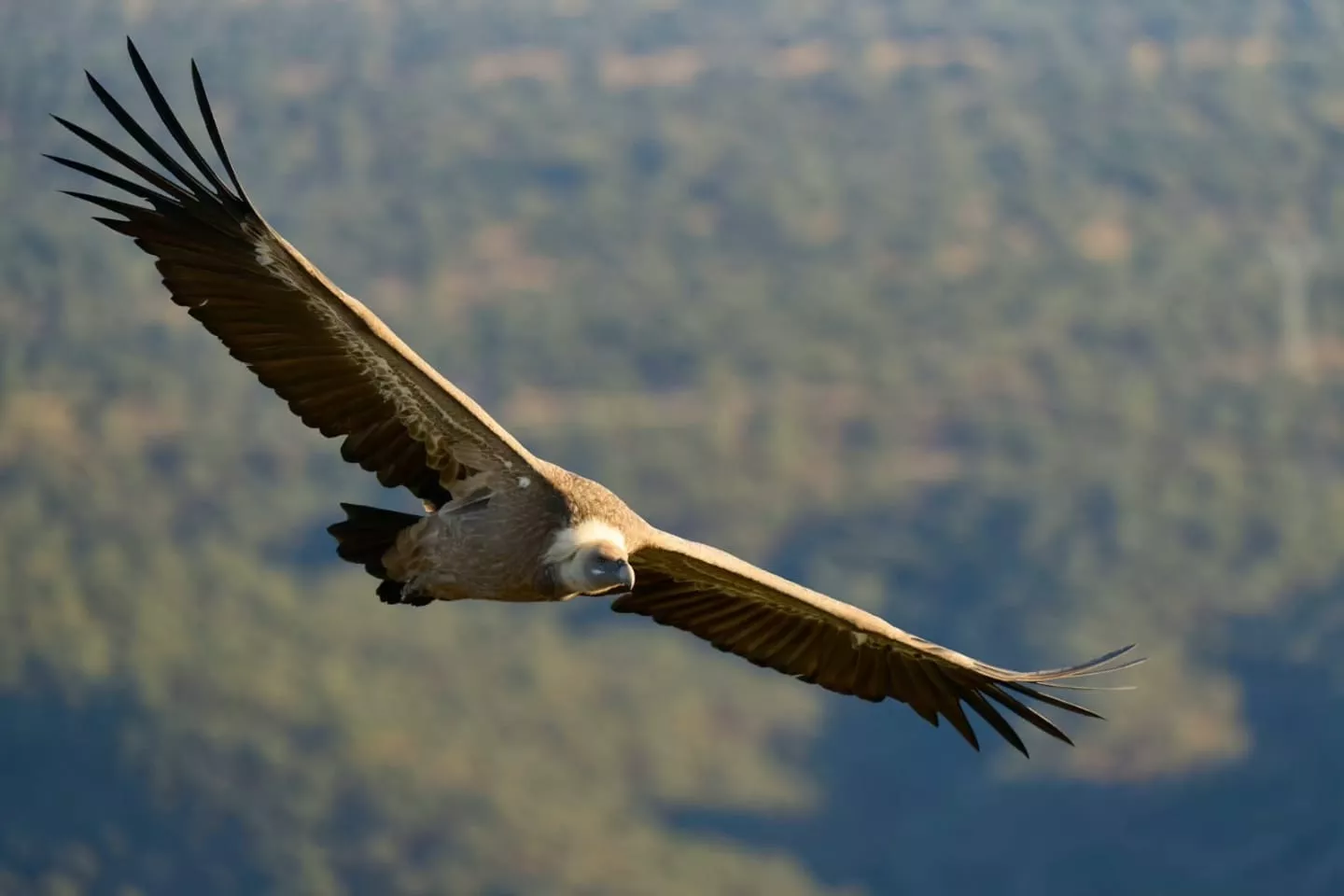
GRIFFON VULTURE
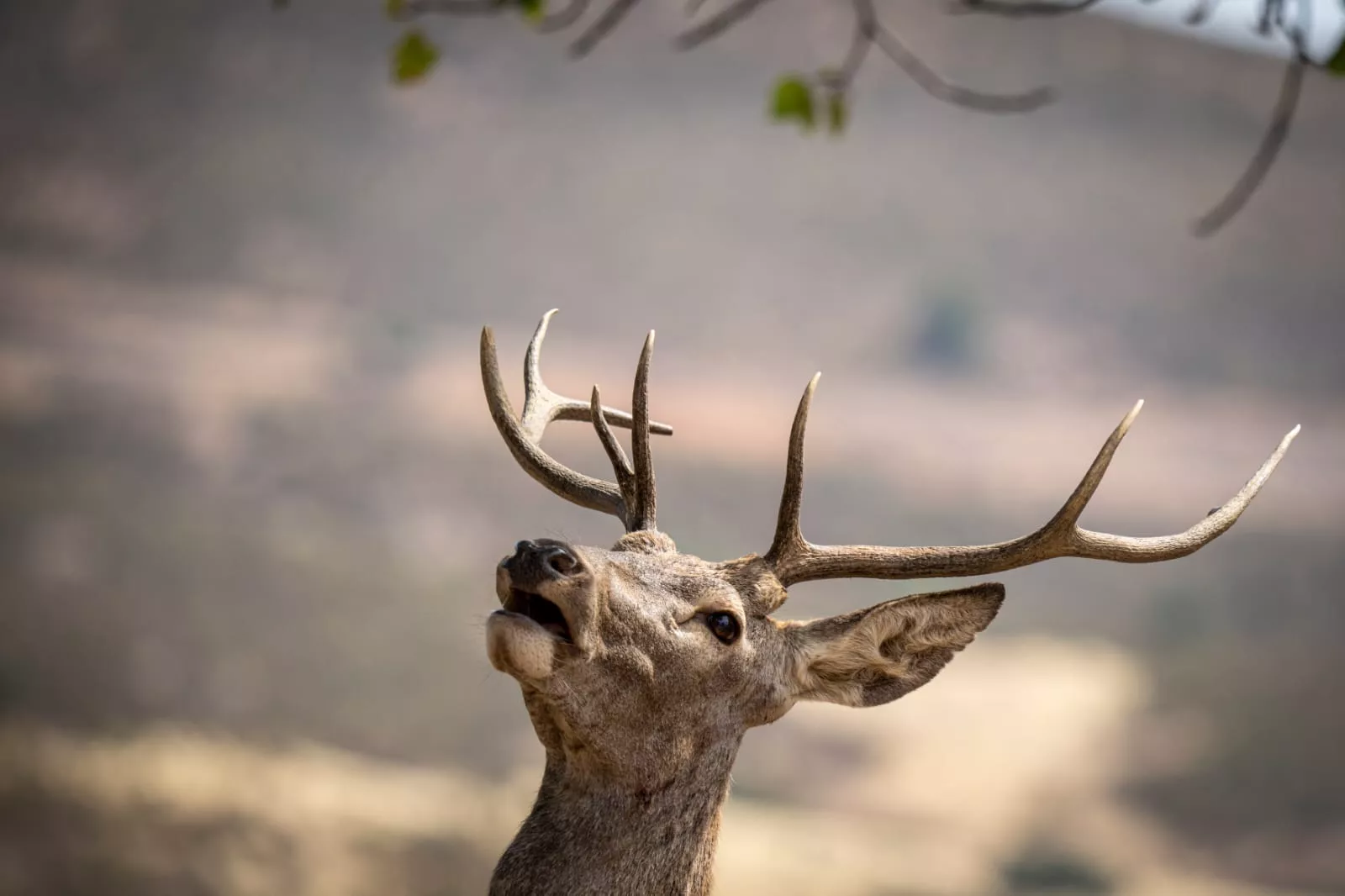
STAG IN RUT
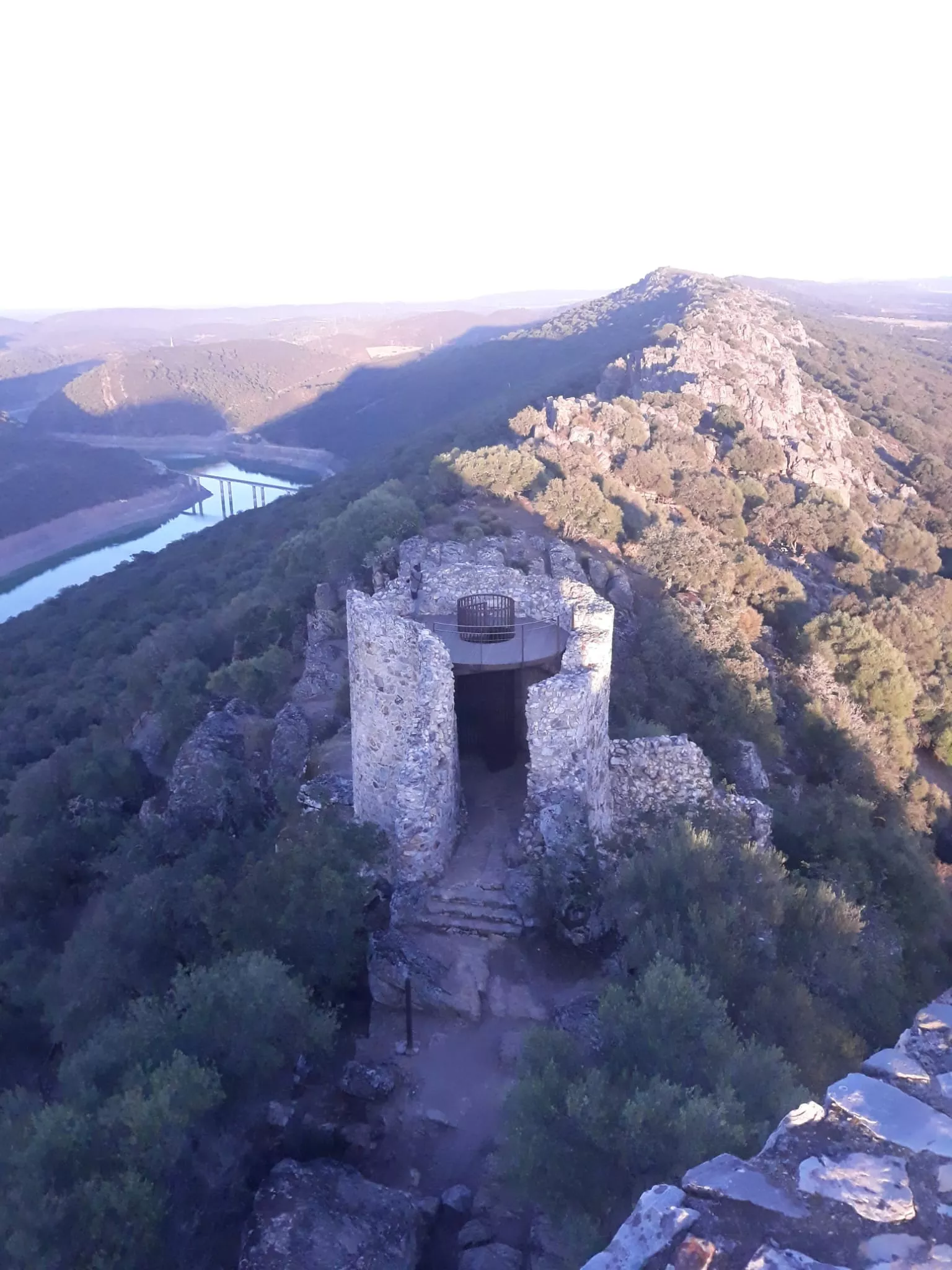
CASTLE OF MONFRAGUE
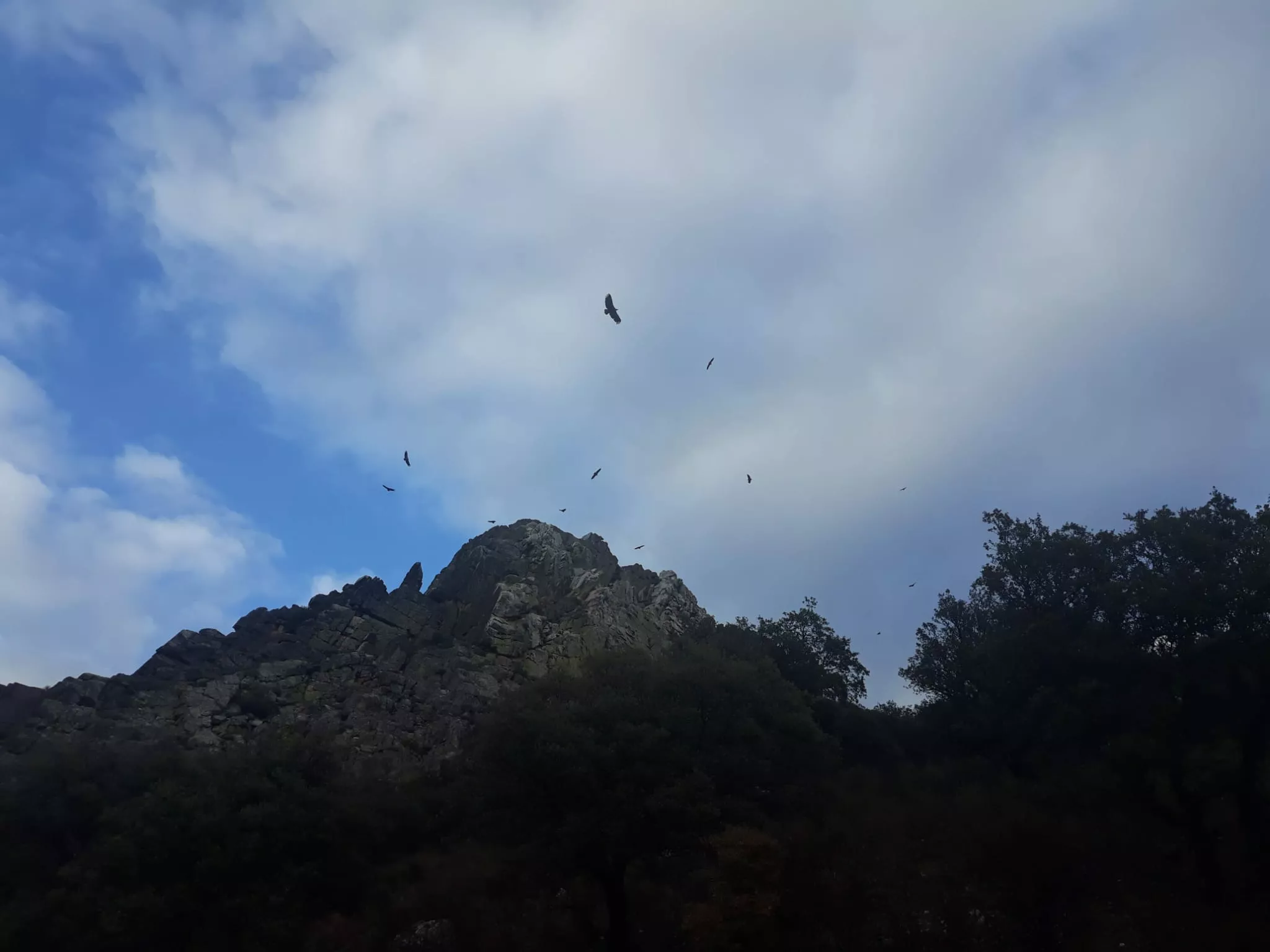
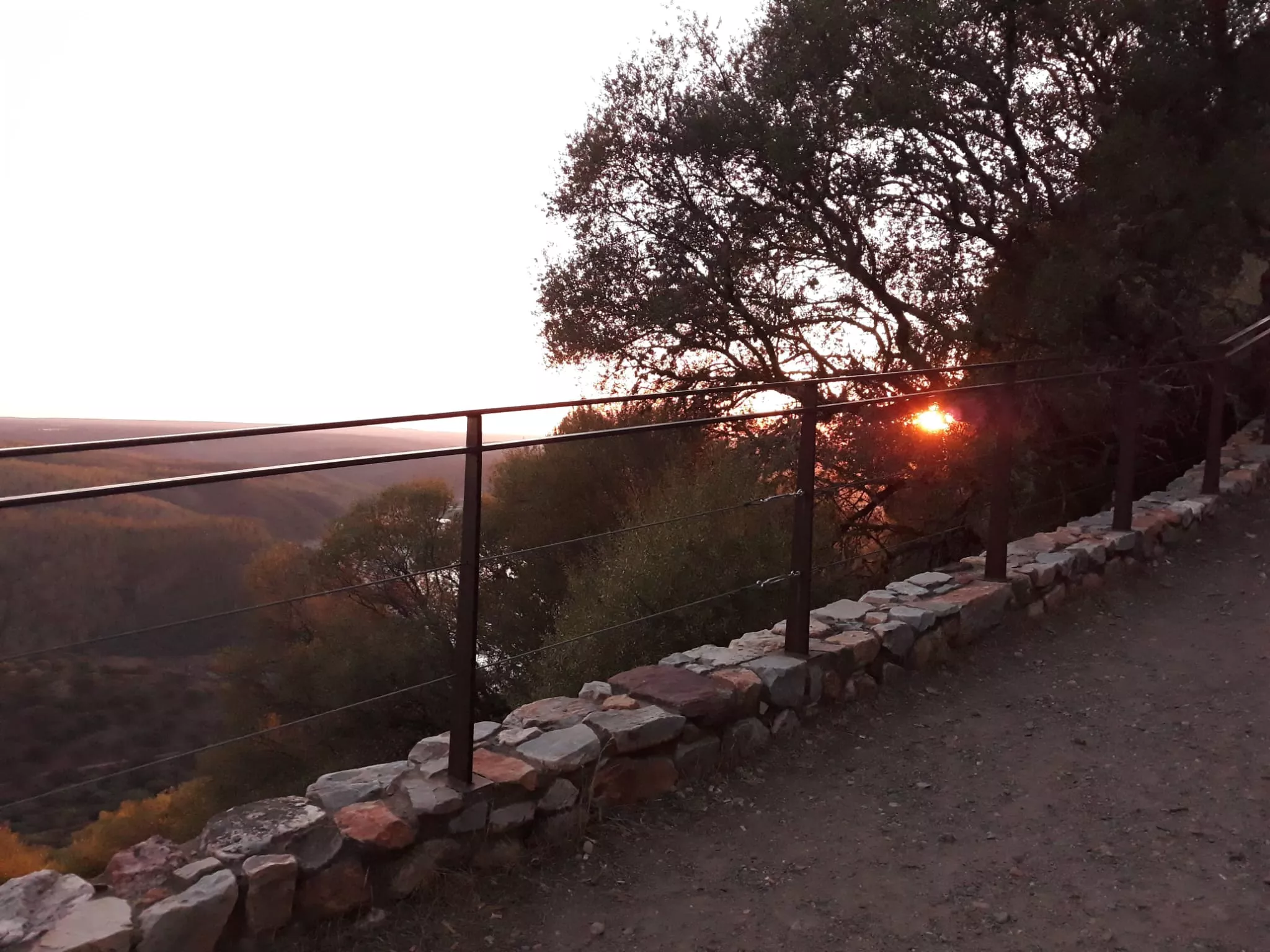
SUNSET IN MONFRAGUE
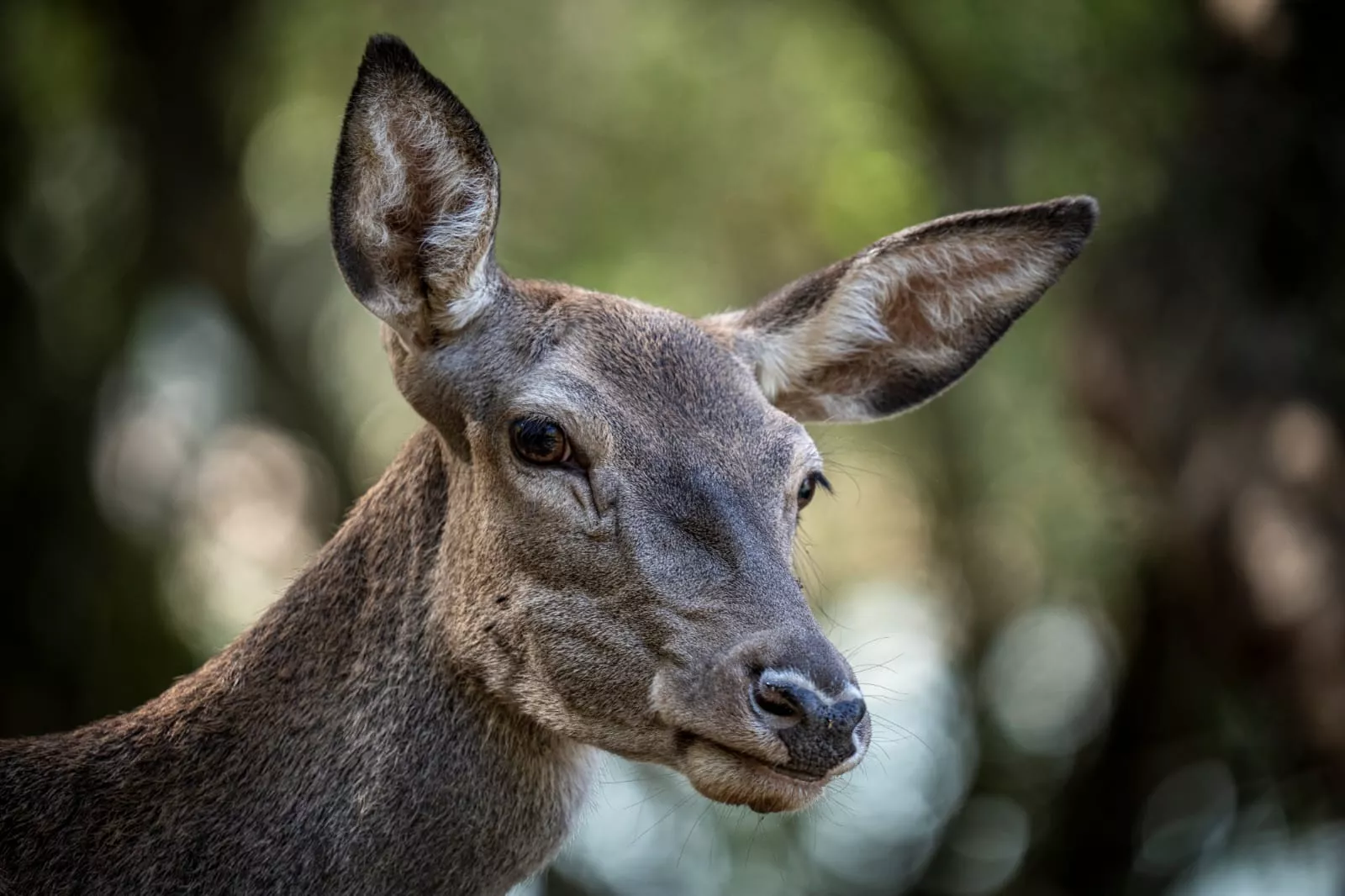
STAG RUTTING
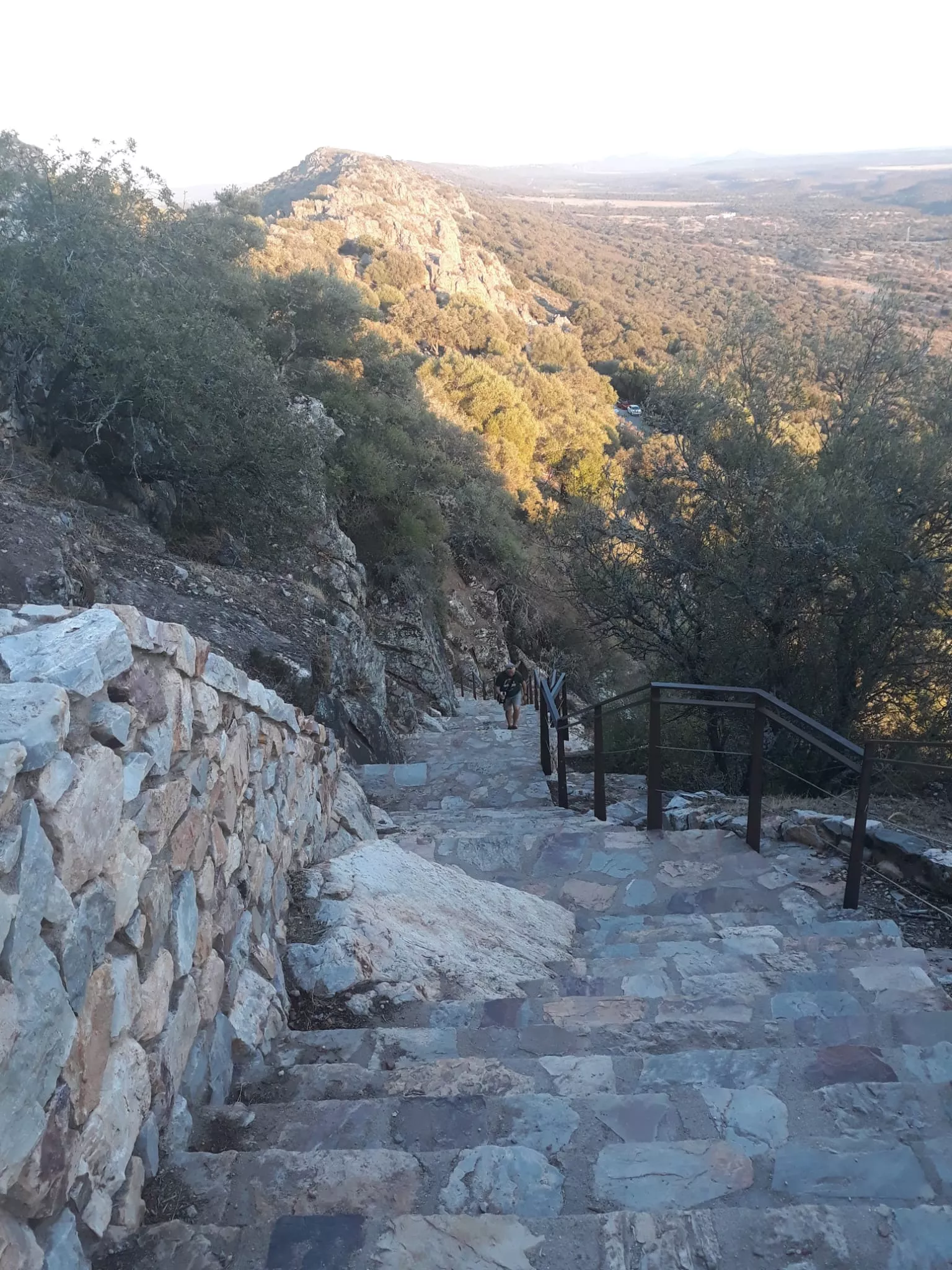
MONFRAGÜE GUIDE
GUIDE TO VISITING MONFRAGÜE NATIONAL PARK
If you are planning to visit Monfragüe National Park, this guide will help you organize your trip. You will discover what to see, the best viewpoints, the most recommended hiking routes, where to birdwatch, the best time to visit Monfragüe, and we will answer the most frequently asked questions from our guests.
Monfragüe National Park offers various tourist options to delight visitors. In this guide, we aim to cover most of them. We live in the Monfragüe area, have grown up here, and thus have a broad perspective on its key points, which we use to recommend to our guests.
WHY VISIT MONFRAGÜE?
The Monfragüe National Park is one of the most spectacular natural spaces in Spain and the only National Park in Extremadura. Located between Plasencia, Trujillo, and Cáceres, it is a must-visit destination for those looking to enjoy nature, hiking, and birdwatching. Visiting Monfragüe means exploring a landscape dominated by Mediterranean forests, dehesas, rivers, and large rock formations where some of the most emblematic species of the Iberian Peninsula reside.
The history of Monfragüe dates back to Prehistory, as evidenced by its cave paintings. Romans, Muslims, and Christians also left their mark, with the Monfragüe Castle being one of the park's most representative monuments and one of the best viewpoints to admire the landscape.
WHAT IS THE BEST TIME TO VISIT MONFRAGÜE PARK?
Many of our guests ask us about the best time to visit Monfragüe. If your priority is birdwatching, we usually recommend spring. If you prefer to enjoy the deer rut and milder temperatures for walking, autumn often offers a magnificent experience.
WHAT FLORA AND FAUNA CAN I OBSERVE IN MONFRAGÜE NATIONAL PARK?
The nature of Monfragüe National Park is exceptional, with 280 vertebrate species, 1,500 plant species, 600 invertebrates, and 200 types of fungi. Among this great abundance of nature, we want to highlight the existing singular trees:
Regarding fauna, it is one of the best places in Europe to observe birds such as the black vulture, griffon vulture, black stork, Egyptian vulture, or the Iberian imperial eagle. Additionally, its fauna includes deer, wild boars, otters, mongooses, and many more.
MUST-VISIT PLACES?
Among the most visited places are the Salto del Gitano, Monfragüe Castle, the Portilla del Tiétar, and the numerous viewpoints scattered throughout the park, from which you can observe both the fauna and the impressive landscapes surrounding the Tiétar and Tajo rivers.
WHAT ARE THE BEST ROUTES?
To enjoy this magnificent Mediterranean forest and the surrounding dehesa, there is a wide variety of routes and trails that can be enjoyed on foot, horseback, or by mountain bike. Among them, we can highlight the routes starting from Villareal de San Carlos:
Although the routes mentioned above may be the most representative, they are not the only ones, as there is a wide variety available: the Greenway, the brown route, the purple, the black, the blue, the Fraile Gorge route, Peñafalcón, etc., and you can even take a guided boat tour on the Tajo River.
ASTRONOMICAL TOURISM IN MONFRAGÜE NATIONAL PARK
Another way to visit Monfragüe is at night. Monfragüe National Park, thanks to the absence of light pollution, the quality of its atmosphere, and good weather, is certified as a Starlight tourist destination, being one of the darkest skies in continental Europe. It was the first destination in Extremadura to achieve this in 2016. Starlight Tourist Destinations are visitable places that have excellent qualities for stargazing and are therefore especially suitable for developing tourism activities based on this natural resource. To enjoy astronomical tourism in Monfragüe, we recommend visiting the Monfragüe Astronomical Observatory located in Torrejón el Rubio.
EVENTS OF INTEREST IN MONFRAGÜE NATIONAL PARK
Mark February on your calendar, as you can visit the International Ornithological Fair held every year (FIO). Another interesting month to note is November, when the Month of the Biosphere Reserve is celebrated, an event featuring free cultural, gastronomic, and nature activities.
Regarding cultural events, we can highlight:
CULTURE IN MONFRAGÜE AND ITS SURROUNDINGS
Finally, regarding Cultural Heritage, the BICs recognized in the Monument category are:
In the Archaeological Site category, there is the Albalat Archaeological Site. Additionally, the process has begun to declare the Monfragüe railway settlement in Malpartida de Plasencia and the Church of San Juan Bautista in Saucedilla as BICs.
Apart from these expressly declared points, Monfragüe has 112 shelters with rock art.
PRACTICAL TIPS
After many years of receiving travelers, these are some tips we usually give before visiting Monfragüe:
FREQUENTLY ASKED QUESTIONS
How many days are needed to visit Monfragüe?
Many of our clients ask us this question, and to answer it, we need to know each person's preferences. Generally, if you are passionate about hiking, you will need 4-5 days to complete the most representative routes of Monfragüe. On the other hand, if your trip is for ornithological tourism or birdwatching and you want to see a specific species, it will depend on whether you want to go with a local guide or on your own and the "luck" you have when reaching the different viewpoints/nests. In this case, we recommend at least 2-3 days. If you want to access the National Park and view the different viewpoints by car, one day would be enough. Another point to consider is whether you are coming with family or not, if you want to do activities in the Park or not, such as the Tajo cruise or astrotourism activities.
Can Monfragüe be visited with children?
Yes, as long as you adapt the route to your family's reality.
What is the best viewpoint?
For us, the best viewpoint is Monfragüe Castle.
Do I need to book, is there a schedule, do I need to get a ticket?
These questions are constant and daily from our guests. Monfragüe National Park is open to the public 24 hours a day, entry is free, and no prior reservation is necessary.
Can Monfragüe be explored by car?
Yes, via the regional road EX-208 that connects Plasencia with Trujillo, you can access the main tourist points of interest in the Park.
Where to eat inside the park?
Villareal de San Carlos offers a dining area. You also have the option to bring a picnic and eat at the various picnic areas throughout the National Park, which is the option we most recommend to guests who want to hike in the park.
Is there mobile coverage?
In certain parts of the Park, coverage may be low or even nonexistent.
Where is the Visitor Center?
Each town has its own visitor center with a different theme. It is a very good option to complement the visit to Monfragüe National Park and thus have a more complete experience. The closest to our accommodation is the North Visitor Center Jesús Garzón.
Where is the best place to watch the sunset?
Monfragüe Castle offers spectacular views to enjoy the sunset.
If you are organizing your visit to Monfragüe National Park and need personalized recommendations on local tour guides, routes, viewpoints, the best time to travel, or restaurants, we will be happy to help. We have been advising our guests for years to make the most of their stay in this unique environment.
Monfragüe National Park offers various tourist options to delight visitors. In this guide, we aim to cover most of them. We live in the Monfragüe area, have grown up here, and thus have a broad perspective on its key points, which we use to recommend to our guests.
WHY VISIT MONFRAGÜE?
The Monfragüe National Park is one of the most spectacular natural spaces in Spain and the only National Park in Extremadura. Located between Plasencia, Trujillo, and Cáceres, it is a must-visit destination for those looking to enjoy nature, hiking, and birdwatching. Visiting Monfragüe means exploring a landscape dominated by Mediterranean forests, dehesas, rivers, and large rock formations where some of the most emblematic species of the Iberian Peninsula reside.
The history of Monfragüe dates back to Prehistory, as evidenced by its cave paintings. Romans, Muslims, and Christians also left their mark, with the Monfragüe Castle being one of the park's most representative monuments and one of the best viewpoints to admire the landscape.
WHAT IS THE BEST TIME TO VISIT MONFRAGÜE PARK?
Many of our guests ask us about the best time to visit Monfragüe. If your priority is birdwatching, we usually recommend spring. If you prefer to enjoy the deer rut and milder temperatures for walking, autumn often offers a magnificent experience.
WHAT FLORA AND FAUNA CAN I OBSERVE IN MONFRAGÜE NATIONAL PARK?
The nature of Monfragüe National Park is exceptional, with 280 vertebrate species, 1,500 plant species, 600 invertebrates, and 200 types of fungi. Among this great abundance of nature, we want to highlight the existing singular trees:
- SINGULAR TREE ALMEZ DE LUGAR NUEVO. Located next to Villareal de San Carlos with a perimeter of 5 meters and a height of 15 m.
- SINGULAR TREE ALCORNOQUE PADRE SANTO. Located in Mirabel and approximately 900 years old with a diameter of 27 meters.
- SINGULAR TREE ALCORNOQUE DE LA DEHESA BOYAL DE MIRABEL. About 350 years old, 22.5 meters in diameter, and 16.5 meters in height.
- SINGULAR TREE ALCORNOQUE DE LOS CERCONES. Located in Higuera de Albalat with an age of 350 years and 20 meters in height.
- SINGULAR TREE ALCORNOQUE DEL VENERO. Located in Romangordo, with an age of 350 years and 20 meters in height.
Regarding fauna, it is one of the best places in Europe to observe birds such as the black vulture, griffon vulture, black stork, Egyptian vulture, or the Iberian imperial eagle. Additionally, its fauna includes deer, wild boars, otters, mongooses, and many more.
MUST-VISIT PLACES?
Among the most visited places are the Salto del Gitano, Monfragüe Castle, the Portilla del Tiétar, and the numerous viewpoints scattered throughout the park, from which you can observe both the fauna and the impressive landscapes surrounding the Tiétar and Tajo rivers.
- SALTO DEL GITANO: The Salto del Gitano (Peña Falcón) is the most emblematic and photographed viewpoint of the Monfragüe Biosphere Reserve. Here, you can observe the flight of griffon vultures, black storks, and numerous birds, as well as enjoy one of the best spots for nature photography. Peña Falcón is formed by Armorican Quartzite, one of the oldest rocks on the planet, and hosts one of the largest colonies of griffon vultures in Europe. The viewpoint is also known for the legend that gives it its name and is easily accessible by car, bicycle, or on foot from Villarreal de San Carlos via the red route, suitable for the whole family.
- MONFRAGÜE CASTLE: The Monfragüe Castle, built by the Arabs in the 9th century, is one of the most historic places in Monfragüe National Park. From its Keep, it offers some of the best panoramic views of the park, with the Tajo River, the dehesas, and an excellent spot for birdwatching. Next to the castle is the Hermitage of the Virgin of Monfragüe, of medieval origin, and the complex is surrounded by numerous legends. Access is easy: from the parking lot, there is a 20-minute walk with stairs suitable for all audiences, or you can walk from Villarreal de San Carlos via the 8-kilometer red itinerary.
- PORTILLA DEL TIÉTAR: The Portilla del Tiétar viewpoint is one of the best places in Monfragüe for birdwatching and is usually much quieter than the Salto del Gitano. Its proximity to the rocky walls allows you to closely observe species such as herons, cormorants, vultures, kites, and black storks. In addition to its ornithological richness, it stands out for its quartzite geological formations and the characteristic folds of the relief. It is located next to the scenic road EX-389, making it a highly recommended stop, especially if you bring binoculars.
WHAT ARE THE BEST ROUTES?
To enjoy this magnificent Mediterranean forest and the surrounding dehesa, there is a wide variety of routes and trails that can be enjoyed on foot, horseback, or by mountain bike. Among them, we can highlight the routes starting from Villareal de San Carlos:
- Red route: The largest of the interior routes in the Park connects three circular sections that offer the possibility of visiting the most emblematic elements of Monfragüe. It has a length of 16 km and its difficulty is medium.
- Green route: A circular route that runs through an important sample of the types of vegetation characteristic of Monfragüe. It has a length of 7.9 km and its difficulty is low.
- Yellow route: An easy route that runs through diverse and pleasant areas, such as small orchards and some patches of dehesas and scrubland. It has a length of 8.9 km and its difficulty is low.
Although the routes mentioned above may be the most representative, they are not the only ones, as there is a wide variety available: the Greenway, the brown route, the purple, the black, the blue, the Fraile Gorge route, Peñafalcón, etc., and you can even take a guided boat tour on the Tajo River.
ASTRONOMICAL TOURISM IN MONFRAGÜE NATIONAL PARK
Another way to visit Monfragüe is at night. Monfragüe National Park, thanks to the absence of light pollution, the quality of its atmosphere, and good weather, is certified as a Starlight tourist destination, being one of the darkest skies in continental Europe. It was the first destination in Extremadura to achieve this in 2016. Starlight Tourist Destinations are visitable places that have excellent qualities for stargazing and are therefore especially suitable for developing tourism activities based on this natural resource. To enjoy astronomical tourism in Monfragüe, we recommend visiting the Monfragüe Astronomical Observatory located in Torrejón el Rubio.
EVENTS OF INTEREST IN MONFRAGÜE NATIONAL PARK
Mark February on your calendar, as you can visit the International Ornithological Fair held every year (FIO). Another interesting month to note is November, when the Month of the Biosphere Reserve is celebrated, an event featuring free cultural, gastronomic, and nature activities.
Regarding cultural events, we can highlight:
- ENGLISH ROUTE. It takes place on the Saturday closest to May 19 between the towns of Casas de Miravete and Romangordo. It was created to raise awareness of the battle of the War of Independence that took place on May 19, 1812, in which the French were defeated by English troops in Lugar Nuevo (municipality of Romangordo). Along the 16 km route, different historical reenactments of this battle are performed, along with other activities during the weekend.
- HORSE RACES IN TORIL. In this small town of about 200 inhabitants, during the San Blas festivities, riders from across Spain gather in Toril to celebrate this traditional horse race in memory of Javier Barona.
- FIESTA DEL CRISTO DE LA VICTORIA SERRADILLA. On September 14 in the town of Serradilla, the day of the Holy Christ of Victory, an icon of the Serradillanos, is celebrated.
CULTURE IN MONFRAGÜE AND ITS SURROUNDINGS
Finally, regarding Cultural Heritage, the BICs recognized in the Monument category are:
- Church of the Virgin of the Assumption in Jaraicejo
- Church of San Juan Bautista in Malpartida de Plasencia
- Church of Santa Catalina in Romangordo
- Convent of Christ of Victory in Serradilla
- Almonte Bridge in Jaraicejo
In the Archaeological Site category, there is the Albalat Archaeological Site. Additionally, the process has begun to declare the Monfragüe railway settlement in Malpartida de Plasencia and the Church of San Juan Bautista in Saucedilla as BICs.
Apart from these expressly declared points, Monfragüe has 112 shelters with rock art.
PRACTICAL TIPS
After many years of receiving travelers, these are some tips we usually give before visiting Monfragüe:
- Bring binoculars.
- Start early in summer, avoid the central hours of the day.
- Don't forget water and some food.
- Respect distances with the fauna.
- Wear comfortable shoes and clothing.
- Check the weather forecast.
- If you come in spring/autumn, book accommodation in advance.
FREQUENTLY ASKED QUESTIONS
How many days are needed to visit Monfragüe?
Many of our clients ask us this question, and to answer it, we need to know each person's preferences. Generally, if you are passionate about hiking, you will need 4-5 days to complete the most representative routes of Monfragüe. On the other hand, if your trip is for ornithological tourism or birdwatching and you want to see a specific species, it will depend on whether you want to go with a local guide or on your own and the "luck" you have when reaching the different viewpoints/nests. In this case, we recommend at least 2-3 days. If you want to access the National Park and view the different viewpoints by car, one day would be enough. Another point to consider is whether you are coming with family or not, if you want to do activities in the Park or not, such as the Tajo cruise or astrotourism activities.
Can Monfragüe be visited with children?
Yes, as long as you adapt the route to your family's reality.
What is the best viewpoint?
For us, the best viewpoint is Monfragüe Castle.
Do I need to book, is there a schedule, do I need to get a ticket?
These questions are constant and daily from our guests. Monfragüe National Park is open to the public 24 hours a day, entry is free, and no prior reservation is necessary.
Villareal de San Carlos offers a dining area. You also have the option to bring a picnic and eat at the various picnic areas throughout the National Park, which is the option we most recommend to guests who want to hike in the park.
In certain parts of the Park, coverage may be low or even nonexistent.
Each town has its own visitor center with a different theme. It is a very good option to complement the visit to Monfragüe National Park and thus have a more complete experience. The closest to our accommodation is the North Visitor Center Jesús Garzón.
Monfragüe Castle offers spectacular views to enjoy the sunset.
If you are organizing your visit to Monfragüe National Park and need personalized recommendations on local tour guides, routes, viewpoints, the best time to travel, or restaurants, we will be happy to help. We have been advising our guests for years to make the most of their stay in this unique environment.